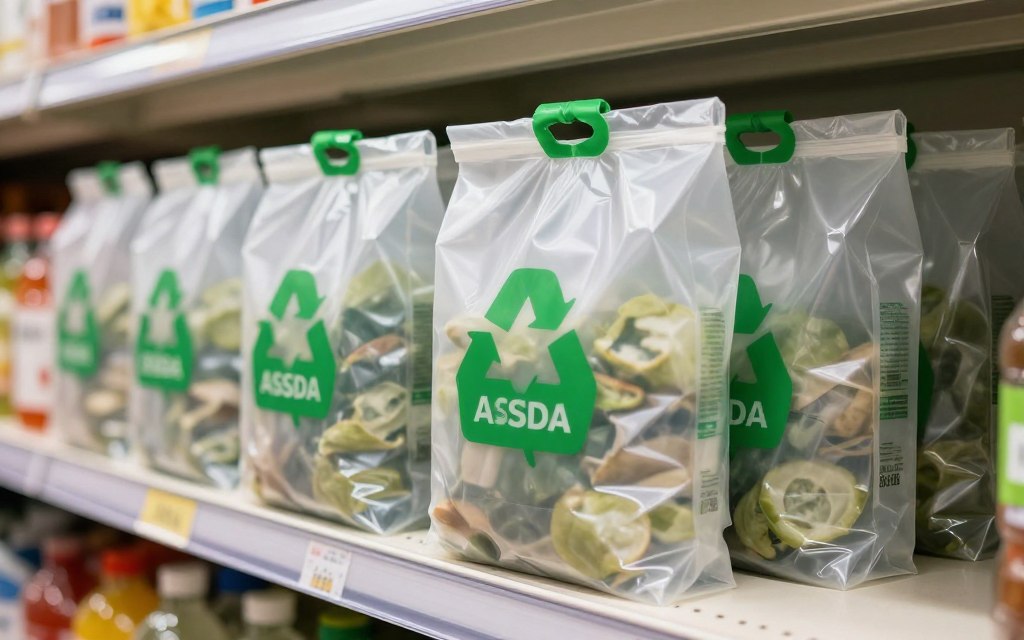
Effective waste management matters more than ever today. This guide explains how clear recycling bags at Asda can help identify recyclable materials and organize household waste. You can buy clear recycling bags at Asda to sort household waste more easily.
Rules differ by local authority, so check accepted materials and bag requirements before searching for clear recycling bags near me. Asda is a UK retailer. Visit the Asda website or contact a nearby store before traveling; availability may differ by store.
This guide compares clear recycling bags Asda sells, including capacity, durability, and prices. It also explains correct use and common recycling mistakes. Follow product labels and local recycling guidance instead of assumptions for proper waste disposal.
Clear bags help in identifying recyclable materials easily.
Check local authority guidelines for accepted materials.
Asda’s availability may vary by store and region.
Visit the Asda website for current inventory and prices.
Learn how to use bags correctly to avoid recycling mistakes.
Understanding Clear Recycling Bags and Their Purpose
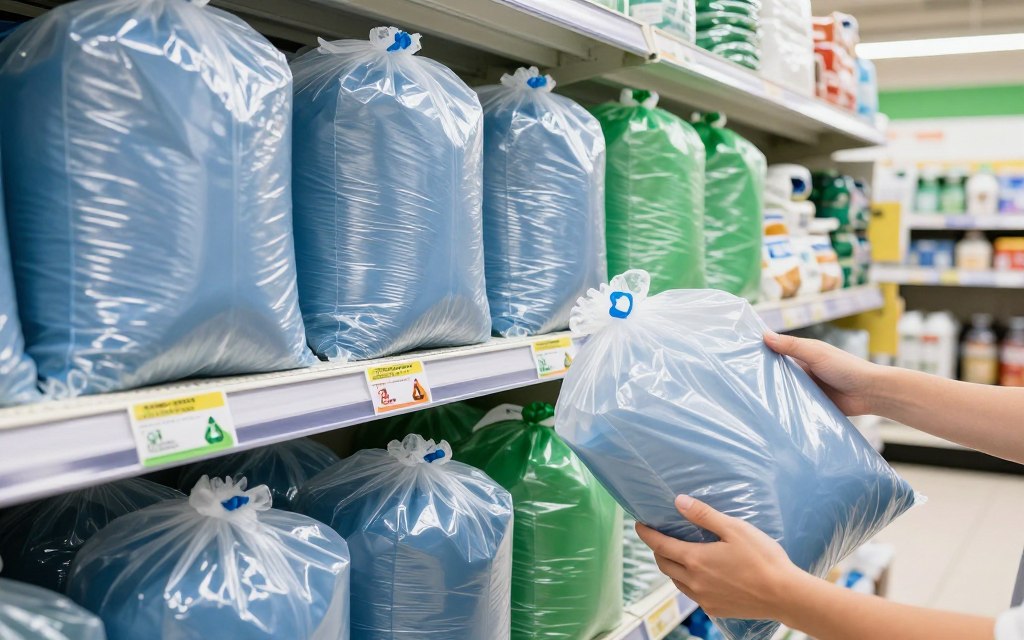
Understanding clear recycling bag uses supports effective recycling. Often called transparent recycling sacks, these bags hold recyclable materials and keep their contents visible. This visibility helps households, waste collectors, and sorting facilities identify contents quickly and improve recycling.
However, a clear bag is not automatically recyclable. Do not place it in a recycling container unless your local program accepts that plastic film. Each area has its own rules, so follow local guidelines.
Clear recycling bags commonly collect clean paper, cardboard, plastic containers, metal cans, and other accepted items. Some programs prefer loose recyclables, while others allow bagged materials. Always check with your local waste collection provider about its specific requirements.
When using household recycling bags, prevent contamination. Keep food residue and non-recyclable waste out of the bags. Also watch for sharp edges and moisture, which can compromise the recycling process.
For more information about recycling practices and clear recycling bags, visit this helpful resource.
Where to Find Clear Recycling Bags at Asda
To learn where to buy clear recycling bags at Asda, start by checking several store sections. These areas often carry useful household products. Check the main locations below:
Household Cleaning Aisle: This is typically where you’ll find a variety of cleaning supplies, including clear recycling bags.
Refuse-Sack Section: Look for a dedicated area that features different types of refuse sacks, including clear options.
Storage Area: Some Asda locations have storage solutions that may include clear recycling bags.
Seasonal Organization Displays: During specific times of the year, Asda may showcase clear bags in seasonal displays.
Online Store: For those who prefer shopping from home, Asda’s online store offers a selection of clear recycling bags.
Search terms include “clear sacks,” “transparent bin bags,” “recycling sacks,” and “refuse bags.” Listings may use different names, so these terms can help you find the right product.
You can also search for Asda recycling bags online from home. Before buying, use this shopping checklist:
Inspect the product image for clarity and design.
Read the material and capacity information to ensure it meets your needs.
Confirm the number of bags per pack for value.
Check thickness or strength claims to assess durability.
Review delivery or pickup details, especially for online orders.
When comparing clear bin bags at Asda, remember that online stock may differ from store stock. A product shown online may not be available at your local Asda.
Compare pack sizes and cost per bag, not only the total package price. This helps you choose the best value.
Top Clear Recycling Bags Available at Asda
These are the best clear recycling bags Asda lists for different household needs. They keep contents visible and help households manage clean, dry recyclables. Check each current listing for capacity, dimensions, pack count, material, and thickness.
Asda Strong Clear Recycling Sacks
Overview
The Asda Strong Clear Recycling Sacks suit homes needing visible storage and added tear resistance for lightweight, clean, dry recyclables. Do not use them for heavy or sharp waste. Check whether local rules allow bagged recycling indoors, in garages, or curbside.
Pros
Improved visibility of contents
Better tear resistance than standard bags
Practical handling for indoor and outdoor use
Cons
May not be suitable for heavy or sharp waste
Visibility can reduce privacy
Features
Actual capacity: Confirmed dimensions and pack count from Asda listings
Material: Durable plastic designed for recycling
Thickness: Enhanced for resistance during transport
Asda Clear Recycling Bags (Large Capacity)
Overview
These Asda clear recycling sacks may suit homes with lots of recyclable packaging. They can reduce bag use during sorting, but filled bags may become heavy and harder to move. Check the actual size and intended use, and never exceed a safe lifting weight or collection limit.
Pros
Reduces the number of bags used during sorting
Accommodates bulky cardboard and flattened packaging
Cons
Filled bags may be heavier and harder to move
Risk of overloading if not managed properly
Features
Dimensions: Verify actual size and intended use
Closure: Designed for easy transport
Asda Heavy Duty Clear Recycling Bags
Overview
These strong clear recycling bags may support demanding handling, temporary storage, or heavier collections. Check the product description to learn whether they suit recycling, household waste, garden waste, or another use and local recycling rules. Thicker plastic may resist tears during transport, but heavy duty does not mean safe for sharp, wet, or hazardous waste.
Pros
Stronger construction for better durability
Improved resistance to punctures from packaging edges
Cons
Higher purchase price compared to standard bags
May not be necessary for lightweight materials
Features
Material: Thicker plastic for added strength
Intended use: Check local recycling program acceptance
Asda Mixed Recycling Clear Sacks
Overview
The Asda Mixed Recycling Clear Sacks suit homes collecting several accepted materials together, subject to local rules. Mixed recycling differs by community, so ask city, county, waste contractor, or collection provider; clear bags are not universally required. Use these sacks for paper, cardboard, metal, and plastic packaging only when local rules accept them together.
Pros
Simplifies household sorting
Visibility helps identify contamination before collection
Cons
Mixed contents can be difficult to separate if not sorted properly
May not be accepted by all recycling programs
Features
Designed for mixed paper, cardboard, metal, and plastic
Check local rules for accepted materials
How to Choose the Right Clear Recycling Bag at Asda
Learning how to choose recycling bags at Asda can improve your recycling efforts. Use this recycling bag size guide to make a practical choice.
Check Local Recycling Guidelines: Before purchasing, verify if your local recycling program accepts bags. Some programs may require materials to be loose or in specific types of bags.
Estimate Your Recycling Volume: Consider your household’s weekly recycling needs. Choose a bag capacity that can be easily lifted without overfilling.
Compare Dimensions: Ensure the bag dimensions fit your recycling bin or storage container. This will help avoid overflow and keep your space organized.
Evaluate Durability: Review the thickness and seam quality of the bags. If you mostly handle paper and rinsed containers, standard bags may suffice. However, if you frequently transport heavy or rough materials, opt for heavy-duty options.
Consider Practical Factors: Think about storage space, pack quantity, and cost per bag. Also, assess whether a reusable bin might be a better long-term solution for your recycling needs.
Review clear bag durability before choosing a bag that fits your needs and supports effective recycling.
Pricing and Value Comparison of Clear Recycling Bags at Asda
For Asda recycling bag prices, true value means more than the price tag. To choose well, divide the total price by the number of bags to find the cost per recycling bag. Also compare capacity, thickness, and durability.
Compare these key points before choosing a pack:
Pack Size: Larger packs may seem cheaper per bag, but they may not offer good value if local rules reject them.
Material Thickness: Strong, heavy-duty bags may cost more, but they can prevent spills and reduce replacements.
Usage: Basic sacks suit light, dry materials, but check whether they meet your needs.
Remember, delivery charges, pickup fees, and promotions can change the total cost. Store-brand alternatives may offer similar quality at a lower price. Reusable sorting containers may also save money over time.
Because prices change, check the current Asda product page before buying. This helps you find the best value recycling sacks.
How to Properly Use Clear Recycling Bags from Asda
This guide explains how to use clear recycling bags from Asda responsibly. First, check whether your local program accepts bagged recycling. If it does, follow the steps below for clean and dry recyclables.
Set Up Separate Containers: If your local program requires different material streams, organize separate containers for each type of recyclable material.
Prepare Your Recyclables: Always empty and rinse food and beverage containers. This step is vital to ensure that your recyclables are clean and dry.
Flatten Cardboard: Make sure to flatten any cardboard boxes to save space in your recycling bag.
Remove Non-Recyclable Components: Follow local instructions to remove any non-recyclable parts from your items.
Fill the Bag Properly: Place materials loosely in the bag to avoid overfilling. Keep liquids and food waste out of the sack.
Avoid Adding Hazardous Materials: Do not include batteries, chemicals, medical waste, sharp objects, or electronics unless a dedicated program accepts them.
Close the Bag if Instructed: Only tie or close the bag if local guidelines specify this requirement.
Place in the Correct Location: Finally, ensure that you place the bag in the designated recycling cart, collection area, or drop-off location.
For recycling bag preparation, lift the bag with your legs to help prevent injury. Also, check whether the bag itself needs separate disposal if your program does not accept it with recyclables.
Recycling Tips and Best Practices with Clear Bags
Following recycling best practices can strengthen your recycling efforts. These habits can reduce recycling contamination and improve your recycling stream.
Use these practical household recycling tips:
Keep a current accepted-materials list near your sorting area. This will help you stay informed about what can and cannot be recycled.
Separate compostable or hazardous items from your recyclables. Not all materials belong in the recycling bin.
Avoid placing an item in the recycling stream solely because it has a recycling symbol. Check local guidelines to ensure proper disposal.
Empty containers before recycling. This prevents contamination and ensures that recyclables are clean.
Keep paper dry. Wet paper can lead to contamination, making it less likely to be recycled.
Break down cardboard to save space and make it easier for processing.
Check if certain items require separate drop-off locations, such as plastic film, bags, cartons, and glass.
Clear bags make visual checks easier, so households can inspect contents before collection. This helps ensure that only accepted materials enter the recycling stream.
Use clearly labeled indoor containers to organize recyclables. Avoid unnecessary bag changes, and store filled sacks away from rain and pests to protect their integrity. When possible, choose reusable bins that fit your household.
Most importantly, follow your local collection provider’s instructions every time. These guidelines support efficient recycling and a cleaner environment.
Tip
Description
Benefit
Keep a materials list
Know what can be recycled in your area
Reduces contamination
Separate items
Keep compostables and hazardous waste separate
Improves recycling quality
Empty containers
Ensure all containers are clean and dry
Enhances recycling effectiveness
Common Mistakes to Avoid When Using Clear Recycling Bags
Knowing the recycling mistakes to avoid helps you use clear recycling bags correctly. These steps support cleaner recycling and protect the environment.
Mistake
Description
Consequence
Assuming All Plastics Are Recyclable
Not all plastic items can be recycled. Check local guidelines.
Contamination of recycling loads.
Using Bags When Loose Materials Are Required
Some programs require recyclables to be placed loose.
Rejection of recycling materials.
Including Food-Soiled Packaging
Food residue can contaminate other recyclables.
Increased waste and contamination errors.
Mixing Glass with Other Materials
Glass can break and cause hazards.
Unsafe handling and potential injury.
Overfilling Bags
Overfilled bags can tear easily.
Spillage and loss of recyclables.
Do not put batteries, paint, chemicals, medical items, cords, textiles, or electronic devices in clear recycling bags. These materials can cause recycling contamination errors and disrupt processing.
Do not tie bags shut without checking first. Some curbside recycling systems prefer open bags so workers can inspect them. Always check the clear bag recycling rules in your area.
Before collection, use this checklist to prepare your recyclables:
Confirm accepted materials for your local recycling program.
Inspect items for contamination.
Check the bag’s weight and condition.
Follow specified placement instructions for collection.
Conclusion
Choosing the right clear recycling bags supports effective waste management. This clear recycling bags Asda guide explains where to buy recycling bags and use them responsibly. First, confirm whether your local recycling service accepts bagged materials and learn its clear-bag rules.
When shopping at Asda, compare capacity, dimensions, durability, and cost per bag. The largest or strongest bag may not suit your home or local collection rules. Check Asda’s inventory and prices often because they can change.
For responsible recycling, keep materials clean, sort them correctly, and check local acceptance. Review local recycling guidelines, then check current Asda listings or household aisles for the best options. These steps support a cleaner environment and help you get more from your recycling efforts.
FAQ
What are clear recycling bags used for?
Clear recycling bags hold recyclable materials and help households and waste collectors identify their contents. They usually hold clean paper, cardboard, plastic containers, and metal cans, but follow local guidelines.
Where can I find clear recycling bags at Asda?
You can usually find clear recycling bags in Asda’s household cleaning aisle, refuse-sack section, or storage area. Search Asda’s online store for terms like “clear sacks” or “transparent bin bags.”
Are clear recycling bags recyclable?
Not all clear recycling bags can be recycled. Check local recycling guidelines to learn whether your area accepts clear bags in recycling containers.
How do I choose the right clear recycling bag for my needs?
Consider local program requirements, your household’s recyclable volume, and the bag’s capacity, dimensions, and material strength. Assess whether you need heavy-duty bags based on your usual waste.
What common mistakes should I avoid when using clear recycling bags?
Common mistakes include assuming all plastic items are recyclable, adding food-soiled packaging, overfilling bags, and ignoring local recycling rules. Always confirm accepted materials and check contents for contamination before collection.
How should I properly use clear recycling bags from Asda?
Ensure bagged recycling is allowed in your area. Rinse and dry containers, flatten cardboard, and keep out non-recyclable items. Follow local rules for bag placement and disposal.
What factors affect the pricing of clear recycling bags at Asda?
Prices may vary by pack size, material thickness, and durability. To find the best value, calculate the cost per bag. Also consider whether the bags meet household recycling needs and local collection requirements.
Can I use clear recycling bags for all types of waste?
No, clear recycling bags are not for every type of waste. They are intended only for specific recyclable materials. Follow local recycling guidelines to ensure compliance.
How can I reduce contamination when using clear recycling bags?
Keep a list of accepted materials nearby and separate compostable or hazardous items. Inspect contents before collection. Empty and rinse containers, and keep paper products dry.
ASDA is dedicated to making sustainable waste management easy and accessible for everyone. With a strong focus on reducing environmental impact, the company provides convenient recycling points across its locations. This guide will help you find these facilities and understand what materials are accepted. From everyday items like food and drink packaging to textiles and…
ASDA stores accept a wide range of everyday items for recycling, from carrier bags and soft plastics to clothes, batteries and glasses, and most collection points sit at the front of the store near the entrance. What ASDA recycling actually accepts When it comes to what asda recycling actually accepts, there are several key factors…
Managing unwanted electrical products can be difficult, but Asda electrical recycling provides a responsible solution. Electrical waste is growing, so do not place appliances, cables, chargers, or small devices in regular trash. Recycling recovers valuable materials, reduces landfill waste, and prevents improper disposal. When you recycle old electrical items, you support a more sustainable future….
ASDA, a leading supermarket, is committed to sustainability and offers multiple solutions for waste management. Customers can find dedicated containers for various materials like paper, glass, and textiles in-store. These efforts make it easier for shoppers to contribute to environmental conservation. One standout initiative is their textile recycling program. Through partnerships like Breast Cancer Now,…
ASDA, a leading UK supermarket chain, has launched an innovative textile recycling program as part of its commitment to sustainability. This initiative allows customers to donate unwanted clothing, including old t-shirts, and receive a 10% discount voucher in return. Partnering with Yellow Octopus, ASDA ensures these items are processed responsibly, keeping them out of landfills….
ASDA is a trusted name in waste management, offering reliable services to help households manage their trash efficiently. The company provides specialized containers as part of its residential waste management programs. These tools are designed to make it easier for families to sort and dispose of materials responsibly. One of the standout features of ASDA’s…