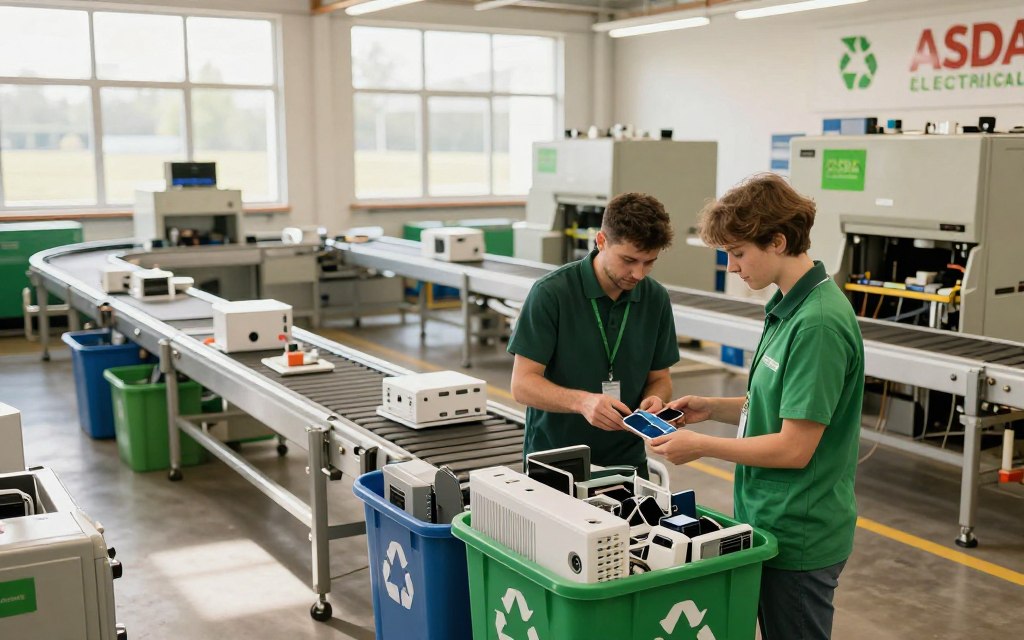
Managing unwanted electrical products can be difficult, but Asda electrical recycling provides a responsible solution. Electrical waste is growing, so do not place appliances, cables, chargers, or small devices in regular trash. Recycling recovers valuable materials, reduces landfill waste, and prevents improper disposal.
When you recycle old electrical items, you support a more sustainable future. This article explains which items Asda accepts, how to prepare devices, and where to find collection points. If your local store does not accept a product, consider other electronics recycling options.
Before using the service, check regional eligibility and local rules for electronics recycling. Asda stores may offer different services, so check details for your area. For sustainable electronics disposal, find battery recycling information at this link.
Recycling old electronics helps recover valuable materials.
Improper disposal can lead to environmental contamination.
Check local Asda policies for accepted items and services.
Prepare devices properly before recycling.
Explore alternative recycling options if needed.
1. Understanding Asda Electrical Recycling
The Asda recycling program gives customers a practical way to dispose of old electronics. It helps people recycle unwanted electrical items responsibly and make environmentally friendly choices. Knowing how it works can help customers choose responsible electronics disposal.
What Is the Asda Electrical Recycling Program?
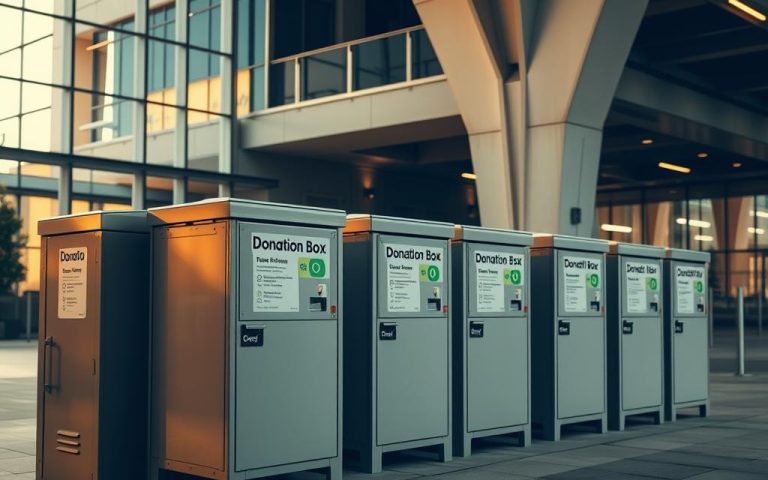
The Asda Electrical Recycling Program lets customers return old electrical items at collection points inside stores. These points often have bins made for different types of electrical waste. The program supports easy electrical waste recycling and reduces landfill waste.
How Asda Partners with Recycling Organizations
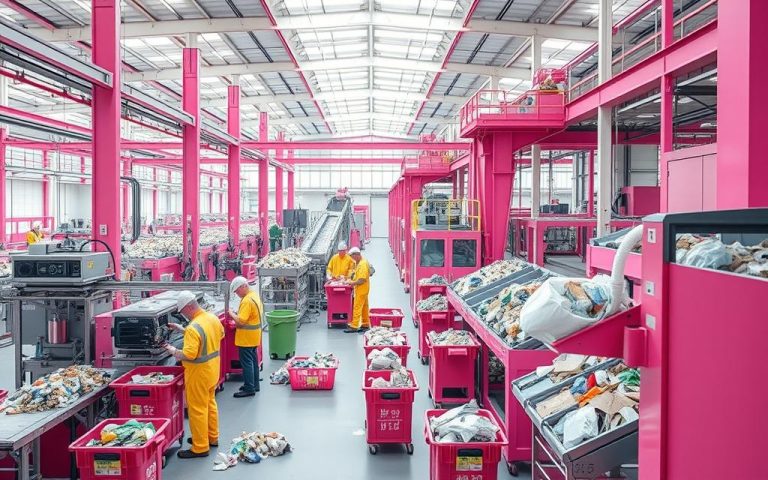
Asda works with licensed recycling organizations to process collected items correctly. These partners sort and process electrical waste, then recover valuable materials. This approach follows local regulations and environmental standards.
Asda promotes responsible electronics disposal for several reasons. It reduces electrical waste that can harm the environment and recovers metals and plastics for new products. These retail recycling services make disposal easy while supporting broader sustainability goals.
Aspect
Description
Benefits
Collection Points
Designated areas in Asda stores for returning electrical items.
Convenient disposal for customers.
Partnerships
Collaboration with licensed recycling organizations.
Ensures proper processing of waste.
Sustainability Goals
Promoting responsible disposal practices.
Supports environmental conservation.
2. What Items Can You Recycle Through Asda Electrical Recycling?
Asda accepts many electrical items for recycling, but you should check what each site accepts. Knowing the accepted items supports responsible disposal and helps protect the environment. Here are the main categories:
Small Household Appliances
Small appliances are usually easy to recycle. They include:
Kettles
Toasters
Microwaves
Hair dryers
Electric shavers
Fans
Irons
Asda often accepts these items at its recycling points, making small appliance recycling straightforward.
Large Household Appliances
Large appliances may need special handling. Examples include:
Refrigerators
Freezers
Washing machines
Dryers
Ovens
Dishwashers
These items may need separate collection or specialist services. Check with your local Asda about large appliance recycling.
IT and Telecommunications Equipment
Recycling technology helps protect your data and the environment. You can recycle:
Laptops
Desktop computers
Monitors
Tablets
Mobile phones
Routers
Keyboards
Printers
When recycling these items, follow proper procedures for computer recycling. Take special care with personal data and batteries.
Cables, Chargers, and Accessories
Remember these items:
Cables
Chargers
Adapters
Power strips
Headphones
Other accessories
These items are often recyclable, but acceptance rules can vary. Check ahead for cable and charger recycling options.
The crossed-out wheeled bin symbol means you should not place electrical items in regular trash. Damaged lithium-ion batteries and medical equipment may need specialist recycling routes.
Check current eligibility rules before visiting a recycling point. Never place hazardous or leaking batteries in regular collection containers.
3. Preparing Your Old Electrical Items for Recycling
Before recycling old electrical items, prepare them properly. This keeps recycling efficient and protects your personal information. Here are the key steps.
Removing Personal Data from Devices
First, remove any personal data from devices like smartphones, tablets, and computers. Back up data you want to keep, then perform a factory reset. The reset erases your information and makes the device safer to recycle.
For devices without a factory reset, use data-wiping software. These programs can help make your data irretrievable. These steps protect privacy and prevent identity theft.
Cleaning and Sorting Your Electronics
Next, clean and sort your electronics. Dust and dirt can build up over time, so a quick cleanup helps. Use a soft cloth to wipe surfaces and remove debris.
Sorting your items is also important. Group similar items, such as small appliances, chargers, and cables. This makes drop-off easier and helps recycling centers process items efficiently.
Packaging Items Safely for Transport
Finally, package your items safely for transport. Use sturdy boxes or bags to prevent damage. Wrap fragile items in bubble wrap or packing paper for extra protection.
Label each box clearly with its contents. This helps recycling staff handle your items properly. Good packaging protects your items and makes recycling smoother.
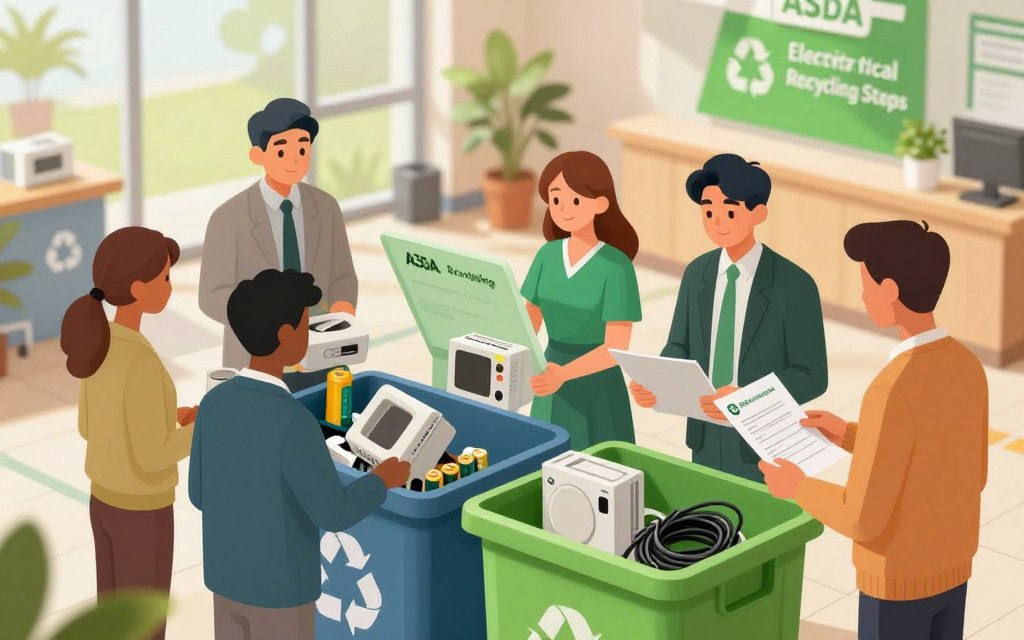
4. Step-by-Step Guide to Asda Electrical Recycling
Recycling old electrical items through Asda is simple. Follow these steps to dispose of electronics responsibly and support a more sustainable environment. Here are the steps in Asda’s electrical recycling program.
Step 1: Identify Items Eligible for Recycling
First, check which items you can recycle. Asda accepts many electrical appliances, including:
Small household appliances like toasters and kettles
Large appliances such as refrigerators and washing machines
IT and telecommunications equipment, including computers and phones
Cables, chargers, and accessories
Check each item’s condition. Items should be intact and pose no hazards.
Step 2: Locate Your Nearest Asda Recycling Point
Next, find your nearest Asda recycling point. Visit the Asda website to find one. The site lists locations, so you can choose a convenient drop-off point.
Step 3: Transport Your Items Safely
After identifying your items and the nearest recycling point, transport them safely. Pack items securely to prevent damage during transit. For several items, use a sturdy box or bag.
Step 4: Deposit Items at the Collection Point
At the recycling point, follow signs to the designated drop-off area. Staff can usually help if needed. Place items in the correct bins so staff can process them properly.
Step 5: Obtain a Receipt or Confirmation
After depositing your items, request a receipt or confirmation. It proves that you recycled the items and helps with your records. Keep it for future questions about your recycling efforts.
These steps help create a cleaner environment and support Asda’s recycling initiatives. Recycling does more than remove old items; it makes a positive impact on our planet.
5. Where to Find Asda Electrical Recycling Points
Finding a nearby place to recycle old electrical items makes the process easy and efficient. Asda offers several ways for customers to drop off electronics responsibly. This section explains the available recycling points and supports a more sustainable future.
In-Store Collection Points
Many Asda stores have collection points for electrical items. These areas are easy to find and use. Bring your items during store hours, then place them in the marked recycling bins.
These points often sit near the customer service desk or in a visible store area. Using them makes recycling easy to fit into your shopping routine.
Partnered Recycling Centers
Asda also works with local recycling centers. These centers handle larger amounts of electronic waste and can process more types of items.
Check local listings to find a partnered recycling center near you. You can also contact your nearest Asda store for guidance. This option helps people recycle large appliances or multiple items.
Using the Asda Website to Find Locations
The Asda website helps you find recycling points. Visit its recycling page and enter your postcode to find the nearest collection points. This tool helps you plan your visit and recycle responsibly.
The website also often lists special recycling events or promotions. It helps you stay informed about recycling opportunities.
Location Type
Examples
Item Capacity
In-Store Collection Points
Asda Supermarkets
Small to medium electronics
Partnered Recycling Centers
Local recycling facilities
Large appliances and bulk items
Online Locator
Asda Website
All available locations
These resources help you recycle effectively and support a cleaner environment. As one expert noted,
“Every small action counts when it comes to sustainability.”
6. Benefits of Asda Electrical Recycling
Recycling old electronics at Asda benefits people and the environment. These benefits may encourage more people to join the recycling program. The sections below explain why responsible electronic disposal matters.
Environmental Advantages
Asda Electrical Recycling helps protect the environment. Recycling devices reduces landfill waste, conserves natural resources, and limits pollution. It also recovers metals and plastics for use in new products.
Compliance with UK Waste Regulations
Using Asda’s recycling program helps people and businesses follow UK waste regulations. The UK has strict laws for disposing of electronic waste. Recycling through Asda supports sustainable waste management, helps avoid potential fines, and promotes responsible disposal.
Supporting a Circular Economy
Asda Electrical Recycling supports a circular economy. This model keeps resources in use longer, reduces waste, and promotes sustainability. Recycling electronics lets materials be reused, reducing the need for new raw materials and lowering environmental impact.
Benefit
Description
Impact
Environmental Advantages
Reduces landfill waste and conserves resources.
Less pollution and resource depletion.
Compliance with Regulations
Ensures adherence to UK waste laws.
Avoids fines and promotes responsible disposal.
Circular Economy Support
Encourages reuse of materials and sustainability.
Reduces need for new materials and environmental impact.
7. Common Mistakes to Avoid When Recycling Electronics
People often make simple but costly mistakes when recycling electronics. Knowing these mistakes helps your efforts protect the environment. Here are common errors to avoid:
Throwing Electronics in Regular Trash
A major mistake is putting electronics in regular trash. Some people think small items count as regular waste. Electronics contain hazardous materials that can harm the environment, so use designated recycling programs.
Failing to Remove Personal Data
Another common mistake is leaving personal data on devices before recycling. Many people miss this step, which can cause identity theft or data breaches. Always wipe devices clean of personal information.
Mixing Batteries with Other Electronics
Do not mix batteries with other electronic waste. Batteries need special handling because of their chemicals. They can leak harmful substances when mixed with regular electronics, so use designated recycling points.
Mistake
Impact
Solution
Throwing Electronics in Trash
Environmental pollution
Use recycling programs
Not Removing Personal Data
Data breaches
Wipe devices clean
Mixing Batteries with Electronics
Hazardous leaks
Separate disposal
8. Alternatives to Asda Electrical Recycling
Exploring alternatives to Asda Electrical Recycling gives you more ways to dispose of old electronics responsibly. Asda offers a convenient program, but other methods can also recycle your electronics properly. Consider the options below.
Local Council Recycling Services
Your local council often provides recycling services for electronic waste. Many councils have drop-off points or scheduled collection days for e-waste. This choice protects the environment and supports local recycling efforts.
Manufacturer Take-Back Programs
Many electronics manufacturers offer take-back programs. These programs let you return old devices directly to the manufacturer for recycling. Apple, Dell, and HP have initiatives that promote recycling and may offer discounts on future purchases.
Charity and Donation Options
Donating old electronics to charity is another excellent choice. Many organizations accept working devices, refurbish them, and give them to people in need. This reduces electronic waste and provides useful resources to individuals and communities.
Alternative Method
Description
Benefits
Local Council Services
Drop-off points or collection days for e-waste.
Supports local recycling and reduces landfill waste.
Manufacturer Take-Back
Return devices to the manufacturer for recycling.
May offer incentives and promotes responsible disposal.
Charity Donations
Donate working electronics to charitable organizations.
Helps those in need and reduces electronic waste.
9. Conclusion
Recycling old electronics protects our environment and supports a circular economy. First, remove personal data from electronics such as phones and laptops.
Back up important files, sign out of accounts, and perform a factory reset. Securely erase storage when possible to safeguard your information.
Next, clean and sort your items. Disconnect accessories, then check for leaking or damaged batteries.
For battery recycling, pack items properly to prevent breakage during transport. Large appliances may need special pickup services.
To find an electronics recycling point, visit the Asda website or contact customer service for current locations and accepted materials. Follow on-site instructions carefully, and ask whether you can receive a receipt or confirmation after recycling.
Not every store accepts all types of electrical products.
Besides Asda, consider local council recycling, a manufacturer take-back program, or electronics donation. These options can extend your devices’ lives.
Following UK waste regulations helps you recycle responsibly and effectively.
By joining these efforts, you support a sustainable future and help reduce electronic waste.
FAQ
What is the Asda Electrical Recycling Program?
The Asda Electrical Recycling Program helps consumers dispose of unwanted electrical items responsibly. It offers collection points for small and large appliances, IT equipment, and accessories, recovering valuable materials and reducing landfill waste.
How do I find my nearest Asda recycling point?
Visit the Asda website to find participating stores and your nearest recycling point. You can also contact Asda customer service or ask store staff during your visit.
What types of electrical items can I recycle at Asda?
Asda accepts small appliances, such as kettles and toasters, plus large appliances, including refrigerators and washing machines. It also accepts IT and telecommunications equipment, including laptops and mobile phones, plus cables, chargers, and accessories. Confirm specific acceptance policies with your local store.
How should I prepare my electrical items for recycling?
Before recycling, remove personal data, clean and sort electronics, and package items safely for transport. Back up needed files, perform factory resets, and check that items have no damage or leaking batteries.
Are there any common mistakes to avoid when recycling electronics?
Yes. Common mistakes include putting electronics in regular trash, leaving personal data on devices, and mixing batteries with other electronics. Follow proper recycling guidelines for safe and effective disposal.
What alternatives exist if my local Asda does not accept certain items?
If your local Asda rejects certain items, consider local council recycling services, manufacturer take-back programs, or charity and donation options. These choices help ensure responsible disposal of old electronics.
Why is it important to recycle electrical items?
Recycling electrical items helps recover valuable materials, reduce environmental impact, and support compliance with waste regulations. It also supports a circular economy by reusing resources instead of discarding them.
ASDA is leading the way in innovative packaging solutions that benefit both customers and the environment. By replacing traditional materials with flexible alternatives, the supermarket has significantly reduced its environmental footprint. For example, their new vacuum-sealed packaging for beef mince cuts plastic use by 60%, saving 67.6 tonnes annually. This advanced technology not only extends…
ASDA stores accept a wide range of everyday items for recycling, from carrier bags and soft plastics to clothes, batteries and glasses, and most collection points sit at the front of the store near the entrance. What ASDA recycling actually accepts When it comes to what asda recycling actually accepts, there are several key factors…
ASDA stores accept a wide range of everyday items for recycling, from carrier bags and soft plastics to clothes, batteries and glasses, and most collection points sit at the front of the store near the entrance. What ASDA recycling actually accepts When it comes to what asda recycling actually accepts, there are several key factors…
ASDA has taken significant steps to reduce its environmental footprint. In July 2023, the supermarket eliminated single-use plastic bags from its online grocery deliveries. This move alone saves 500 tonnes of plastic annually and removes 85 million plastic items from production. Since 2018, ASDA has cut its plastic use by 375 million items. This makes…
ASDA’s George has launched an innovative initiative that combines textile recycling with breast cancer fundraising. This program, in partnership with Yellow Octopus Group, encourages people to donate unwanted clothing. In return, participants receive a 10% discount voucher for George.com purchases. This effort helps divert textiles from landfills while supporting breast cancer charities. For every kilogram…
Donating unwanted clothing is a simple way to make a positive impact. Many organizations have partnered to create a vast network of donation banks across the country. These spots make it easy to give your items a second life while supporting charity initiatives. Using a postcode search tool, you can quickly locate the nearest donation…